How to Manage Grass and Weeds Along a Fence
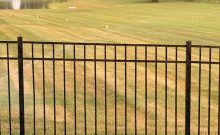
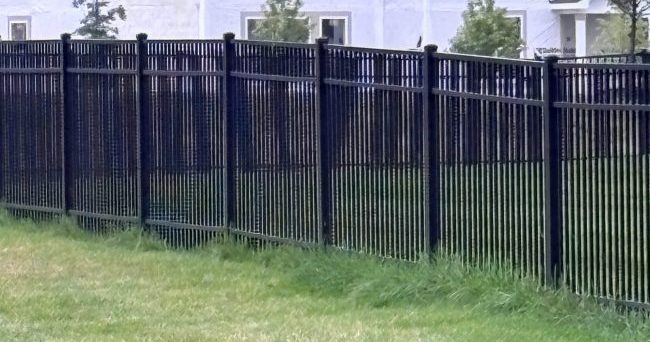
Grass and weeds growing under a fence can be frustrating. That narrow area is often hard to mow, difficult to trim, and easy to damage.
At A Classic Cut Lawn & Landscape, we often hear questions about why lawn care crews do not trim extremely close to fences. The reason is simple: string trimmers are powerful, and they can quickly scratch aluminum, mark vinyl, or damage wood fencing.
Fence repairs can also be expensive. Therefore, the goal should be to keep the area neat without causing unnecessary damage.
Carefully Spot-Treat the Fence Line
One of the easiest ways to reduce trimming is to carefully treat the grass and weeds growing directly beneath the fence.
Choose a weed-control product labeled for residential spot treatment. Then, apply only a small amount to the unwanted grass or weeds directly under the fence.
Avoid spraying a wide strip on both sides. Too much product can leave an unattractive line of dead grass or bare soil. It may also damage nearby flowers, shrubs, or healthy lawn grass.
Instead, use a precise applicator and keep the treated area as narrow as possible. Always follow the directions on the product label.
Use Hand Shears in Tight Areas
For short fence sections, gates, corners, and other tight spaces, hand shears or cordless grass shears may be the safest choice.
This method takes more time than using a string trimmer. However, it gives you better control and greatly lowers the risk of scratching or damaging the fence.
Consider a Mowing Border
A narrow mowing border can provide a longer-term solution.
Depending on your landscape, you may be able to install:
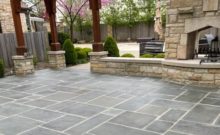
- Pavers
- Concrete curbing
- Decorative stone
- A narrow mulch border
- Other hardscape material beneath the fence line
A border creates separation between the lawn and the fence. As a result, the area becomes easier to mow and trim.
Plan Ahead Before Installing a New Fence
If you are installing a new fence, we can help. Be sure to discuss with both your fence contractor and lawn care provider before the work begins.
When pets, children, grading, and neighborhood rules allow it, leaving some clearance beneath the fence can make lawn maintenance much easier.
For many properties, approximately 3 to 4 inches may provide enough room to maintain the grass without constantly striking the bottom rail. However, every property is different. Pet size, drainage, slope, fence requirements, and appearance should all be considered.
Gate width is also important. Make sure your gates are wide enough for lawn mowers, wheelbarrows, aerators and other equipment. A gate that is too narrow can make regular lawn and landscape work more difficult and expensive. We always recommend a minimum of 49″ for your gates.
Protecting Your Fence While Maintaining Your Lawn
Routine trimming is included with our weekly mowing service when the area can be accessed safely. At A Classic Cut Lawn & Landscape, we want your lawn to look neat while also protecting your property.
Our crews trim carefully around fences, siding, landscape lighting, air-conditioning lines, trees and other features. When a fence sits too close to the ground for safe trimming, we may recommend spot treatment, hand trimming, a mowing border, or another practical solution.
A Classic Cut Lawn & Landscape provides professional mowing, trimming and landscape maintenance in Fishers, Geist, McCordsville, Noblesville, Hamilton County, and northeast Indianapolis. If interested in any of our services, please submit a request for a free estimate!